

Ukraine's FPV drones are becoming stronger, with the support of AI and Starlink, becoming a strategic weapon for the future
Jul 11 , 2025
Ukraine launched a surprise attack on five Russian military airports with hundreds of FPV drones, severely damaging 41 strategic bombers. AI recognition and Starlink remote control achieved precise strikes, and low-cost drones rewrote modern warfare rules.
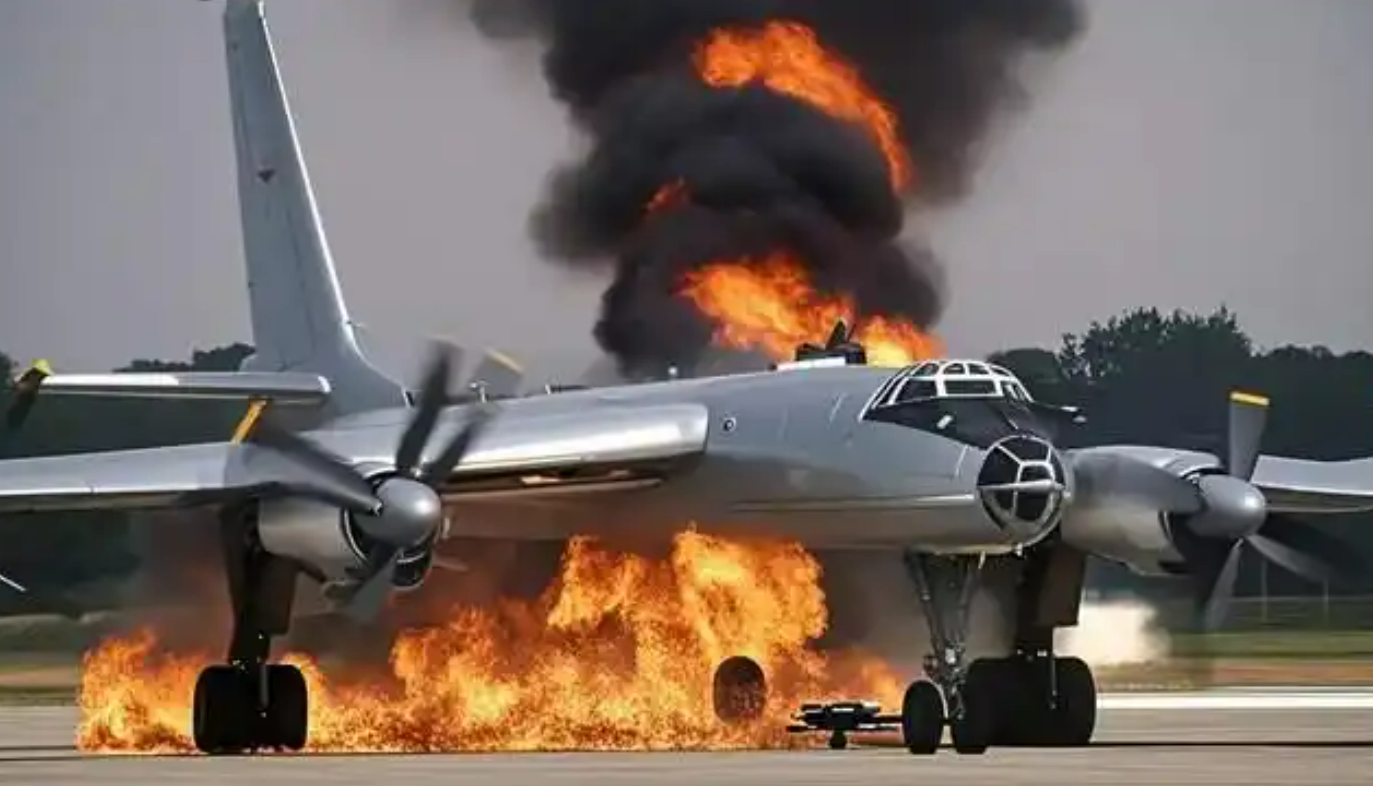
On June 1, 2025, the State Security Service (SBU) of Ukraine suddenly announced the implementation of drone swarm strikes codenamed "Operation Spider Web" on five Russian military airports in Murmansk Oblast, Irkutsk Oblast, Ivanovo Oblast, Ryazan Oblast, and Moscow Oblast, claiming to have severely damaged 34% of the Russian military's strategic bomber force, including 41 strategic bombers such as Tu-160, Tu-95MS, Tu-22M3, and A-50 early warning aircraft. Russian media launched an emergency counterattack, calling it a "spider web of lies", but satellite images and thick smoke videos of the base show that Russia has already lost at least 7 bombers and 1 An-12 transport plane, which can be described as a heavy loss. These bombers are a key force for Russia to carry out long-range strikes and nuclear deterrence, possessing strong conventional bombing capabilities and serving as the core of its "three in one" nuclear strike system with hollow base nuclear forces. The 'Spider Web' operation significantly weakened Russia's air based nuclear deterrence capability and seriously affected Russia's conventional long-range air strike capability against Ukraine.
■ Schematic diagram of the distribution of Russian bases raided by Ukraine
Surprisingly, the seemingly insignificant FPV unmanned aerial vehicle system achieved this astonishing result. According to media reports, Ukraine secretly transported hundreds of FPV suicide drones into Russian territory by disguising trucks and containers, hiding them under wooden structures loaded on trucks, and using civilian logistics as cover to achieve months of silent stealth within Russian territory. With the help of the Starlink communication system, they were remotely activated and took off from preset positions, using AI recognition technology to lock onto targets and successfully attack a large number of high-value combat aircraft in Russia. How can low-cost FPV drones achieve a fatal blow to high-value strategic goals? We will start with the technical characteristics of FPV drones, analyze their specific application methods in this operation, and explore the key roles of AI autonomous attack technology and Starlink remote control system.
Ukrainian drone attack on Russian bomber and feedback footage
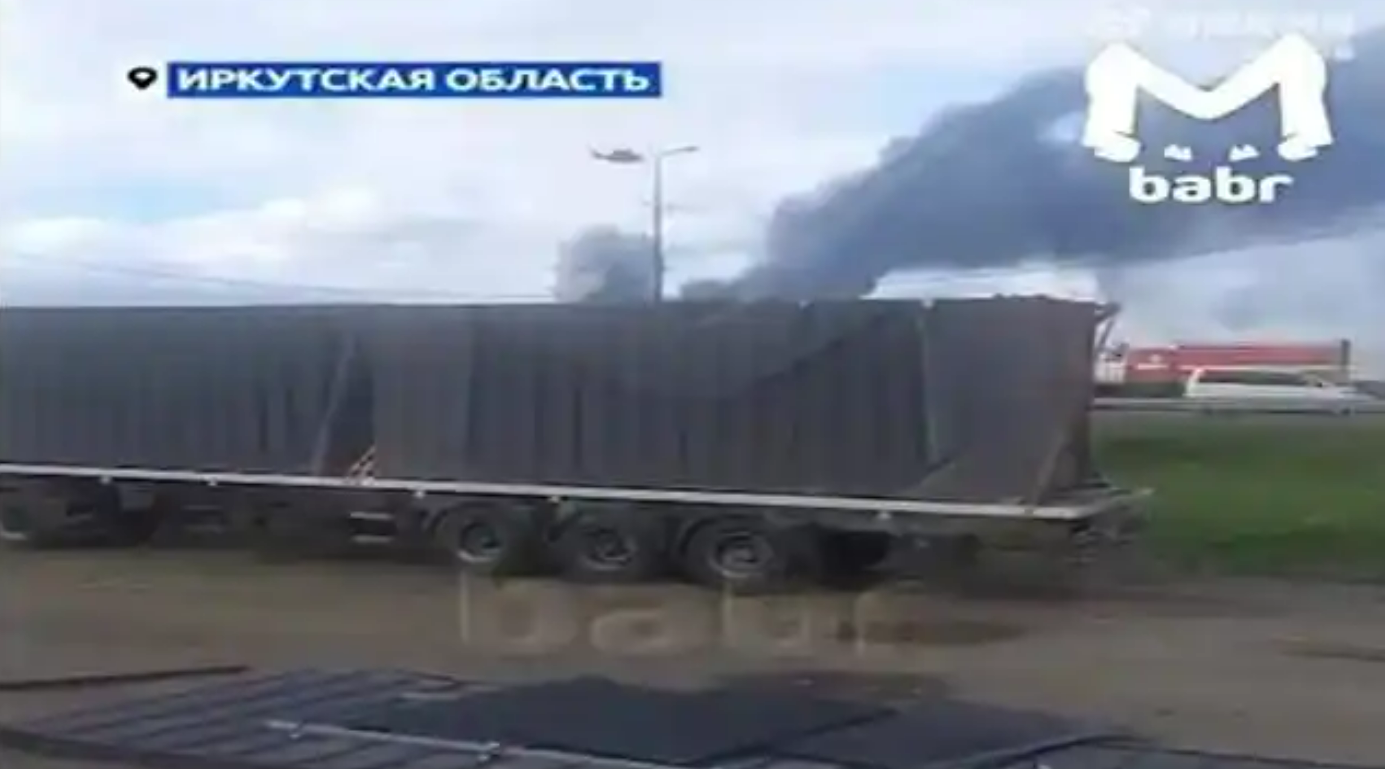
FPV drone is flying out of the disguised truck compartment
What is FPV drone?
FPV stands for First Person View, meaning first person perspective. FPV unmanned aerial vehicles typically refer to small quadcopter or multirotor unmanned aerial vehicles that are controlled through video goggles and remote control, without an autopilot. Unlike traditional drones, the operator of FPV drones feels like they are on top of the drone, using a head mounted display or remote control screen to see the real-time footage captured by the drone camera, as if flying in the sky. This immersive control experience gives it a unique combat advantage.
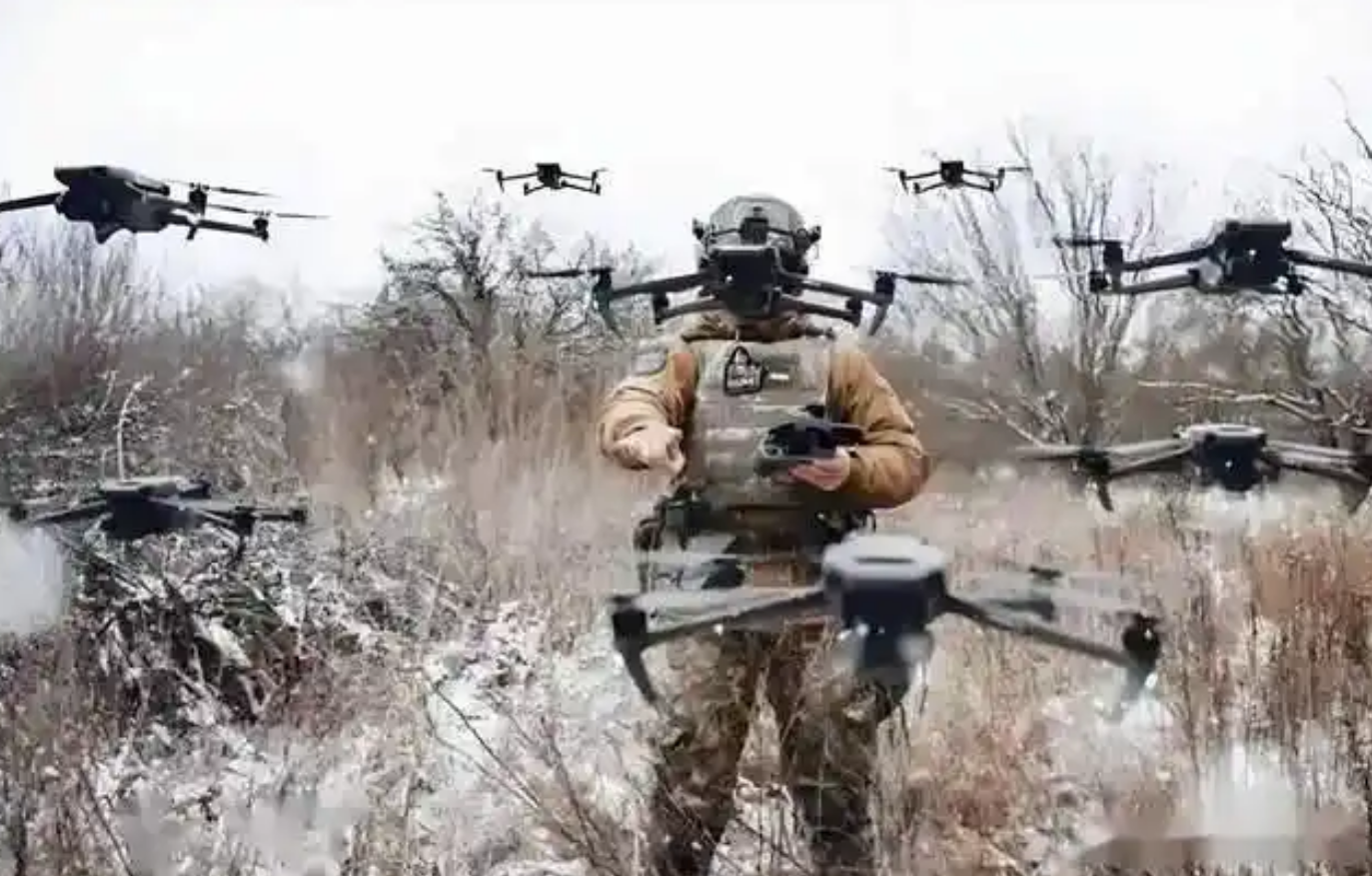
Soldiers are operating multiple FPV drones
Before the outbreak of the Russia-Ukraine conflict, FPV UAVs were mainly active in the civil field, mostly used for extreme flight sports, aerial photography and other scenes. Due to its challenging operation, it requires the operator to possess high skills and reaction speed, making it popular among enthusiasts. Some FPV drone enthusiasts can even perform various high difficulty aerial stunts. With the outbreak of the conflict, the potential military value of FPV drones was quickly discovered. It is lightweight, maneuverable, and relatively low-cost, which makes it suitable for use on the battlefield, quickly transforming from a civilian toy to a "new favorite" in the military field.
In the Russia-Ukraine conflict, FPV UAV has become a "sharp weapon" in the battlefield by virtue of its unique advantages. It has high maneuverability and flexibility, with a compact and lightweight body that can take off and land vertically without the need for a runway. Whether in mountainous jungles or urban street battles, it can shuttle freely. It can carry simple warheads to carry out suicide attacks, quickly changing direction and adjusting height to flexibly evade enemy anti-aircraft fire and accurately hit targets. In terms of combat functions, FPV drones can be equipped with high-definition cameras and other devices, breaking through line of sight limitations, conducting deep reconnaissance at the forefront of the battlefield, filling the blind spots of artillery attacks, and providing intelligence to guide firepower strikes for our own side. It can also carry special small bombs or missiles, use mobility to attack weak parts of enemy armor, and flexibly adjust tactics and attack targets according to changes in the battlefield situation, shifting from attacking main combat equipment to destroying logistics communication nodes, indirectly weakening the enemy's combat power.
The most important advantage is the significant cost-effectiveness, which is conducive to large-scale generation and deployment. Compared with the multi million dollar "Flag Bearer" TB-2 reconnaissance and combat integrated drone and the "Spring Knife" drone with a unit price of over $52000, FPV drones have a single cost of only a few hundred to a few thousand dollars, and easily accessible civilian components significantly reduce their cost. Ukraine has adopted an innovative model of "national military industry" in the mass production of FPV drones, encouraging ordinary citizens to learn how to assemble 7-inch FPV drones at home. Through government guidance and public participation, Ukraine has successfully dispersed its drone production capacity to the civilian sector. By the end of 2024, it has achieved an astonishing monthly production capacity of over 100000 FPV drones, which can withstand significant losses in combat. At the same time, the enemy intercepted with air defense weapons such as C-400 missiles, resulting in a serious cost-benefit imbalance. This led to the large-scale deployment of FPV drones by both Russia and Ukraine, and Ukraine often used the "swarm" tactic to pressure the Russian defense line.
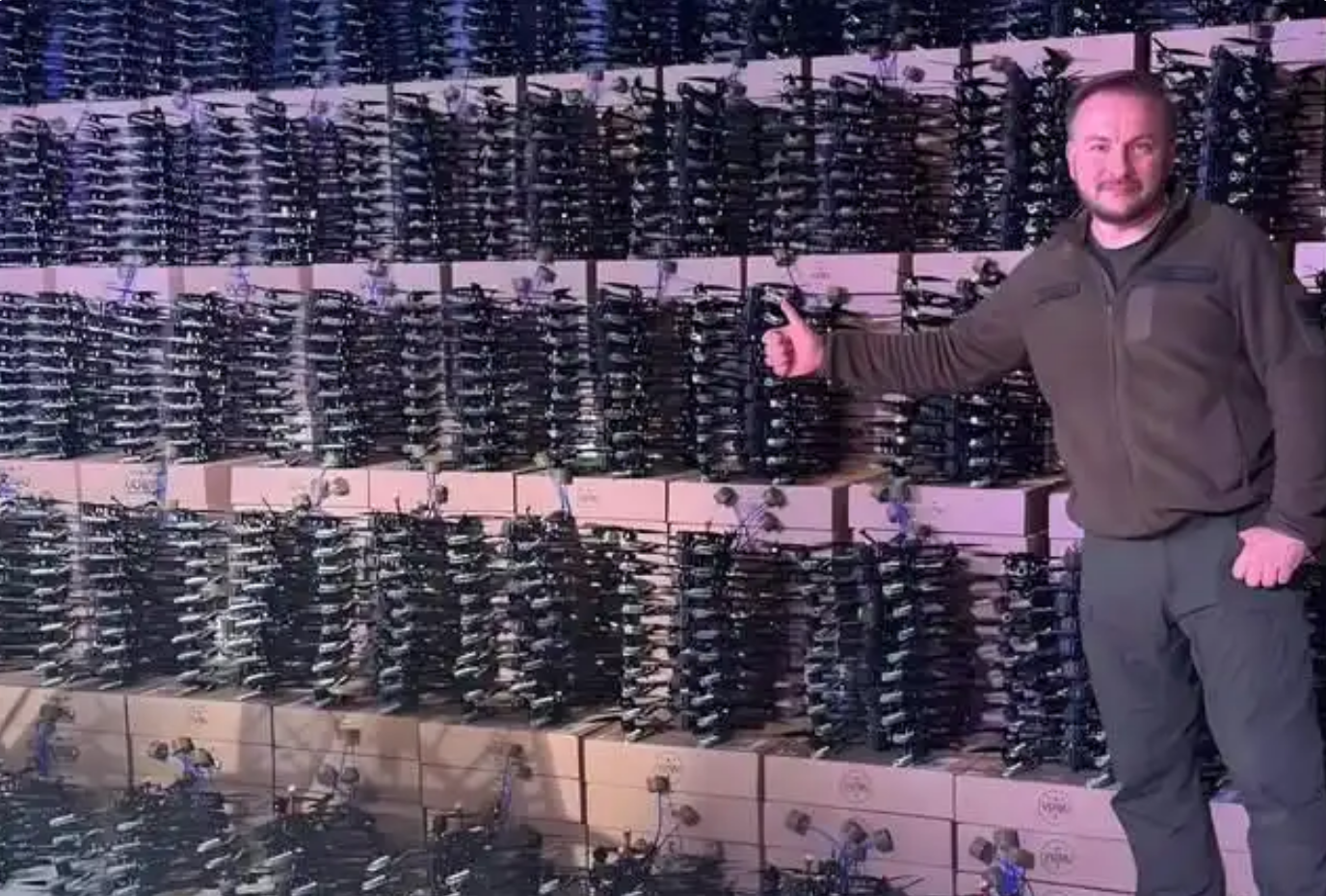
Ukraine has achieved monthly production of over 100000 FPV drones by the end of 2024
The weaponization process of Ukrainian FPV drones has undergone rapid technological iterations. In the early stages of the conflict, Ukrainian FPV drones were mainly modified using simple methods, usually by attaching RPG-7 rocket warheads or small mortar shells to civilian drones and relying on operators to manually control the impact on targets. Although this primary modification is low-cost, it has problems such as insufficient accuracy, susceptibility to interference, and limited lethality, making it particularly difficult to deal with heavy armored targets such as tanks.
As the conflict continues, Ukrainian FPV drones are beginning to develop towards specialization and intelligence. According to publicly available information from the Ukrainian Ministry of Defense, by mid-2024, the Ukrainian military will be equipped with various specialized combat units, including energy gathering charge combat units for tanks and armored vehicles, aluminum thermite incendiary bombs for attacking trenches, bunkers, and logistics facilities, thermobaric combat units for striking buildings and underground works, anti tank missile modified combat units, and airdropped mine/triangular nail combat units. In this "spider web" operation, attack videos circulating on social media indicate that the Ukrainian FPV drone is likely to have used a new type of armor piercing/incendiary composite warhead specifically designed for aircraft. With the diversification of combat requirements, Ukrainian FPV drones have also developed a rich range of models, forming a complete family of combat systems. In addition to standard small FPV drones, the Ukrainian military is also equipped with Queen Hornet, Saker Scout, Dragon jet drones, and fiber optic guided FPVs that are immune to electronic interference.
Ukrainian FPV drones have developed a rich range of models that can perform diverse tasks
On the battlefield between Russia and Ukraine, although FPV drones play an important role, they also have obvious limitations. In terms of range, FPV drones have a range of only 30-60 minutes and a flight control distance of no more than 10 kilometers. They have weak battlefield perception and depth strike capabilities, and are only suitable for close combat or local tactical operations, making it difficult to perform long-range strategic missions. On the payload, FPV drones typically carry about 1 kilogram of ammunition, and although their warheads can deal with light armored vehicles, they are difficult to penetrate the frontal armor of modern main battle tanks. In terms of operation and defense, FPV drones require high technical skills from operators, requiring quick decision-making and precise control. At the same time, it also faces dual threats of electronic interference and hard killing. Electronic jamming devices often interrupt communication links and render image transmission ineffective for unmanned aerial vehicles. Air defense weapons can also directly shoot them down, forcing the Ukrainian military to continuously explore technological improvements and tactical innovations to enhance the combat effectiveness of FPV unmanned aerial vehicles.
FPV's hardcore technology in the "Spider Web" operation - "AI+Starlink"
Based on the video analysis of the "Spider Web" operation, Ukraine's FPV has intelligent autonomous attack and long-range control capabilities, reflecting a new evolutionary direction for FPV unmanned aerial vehicles. It includes two major hardcore technologies: AI technology and Starlink.
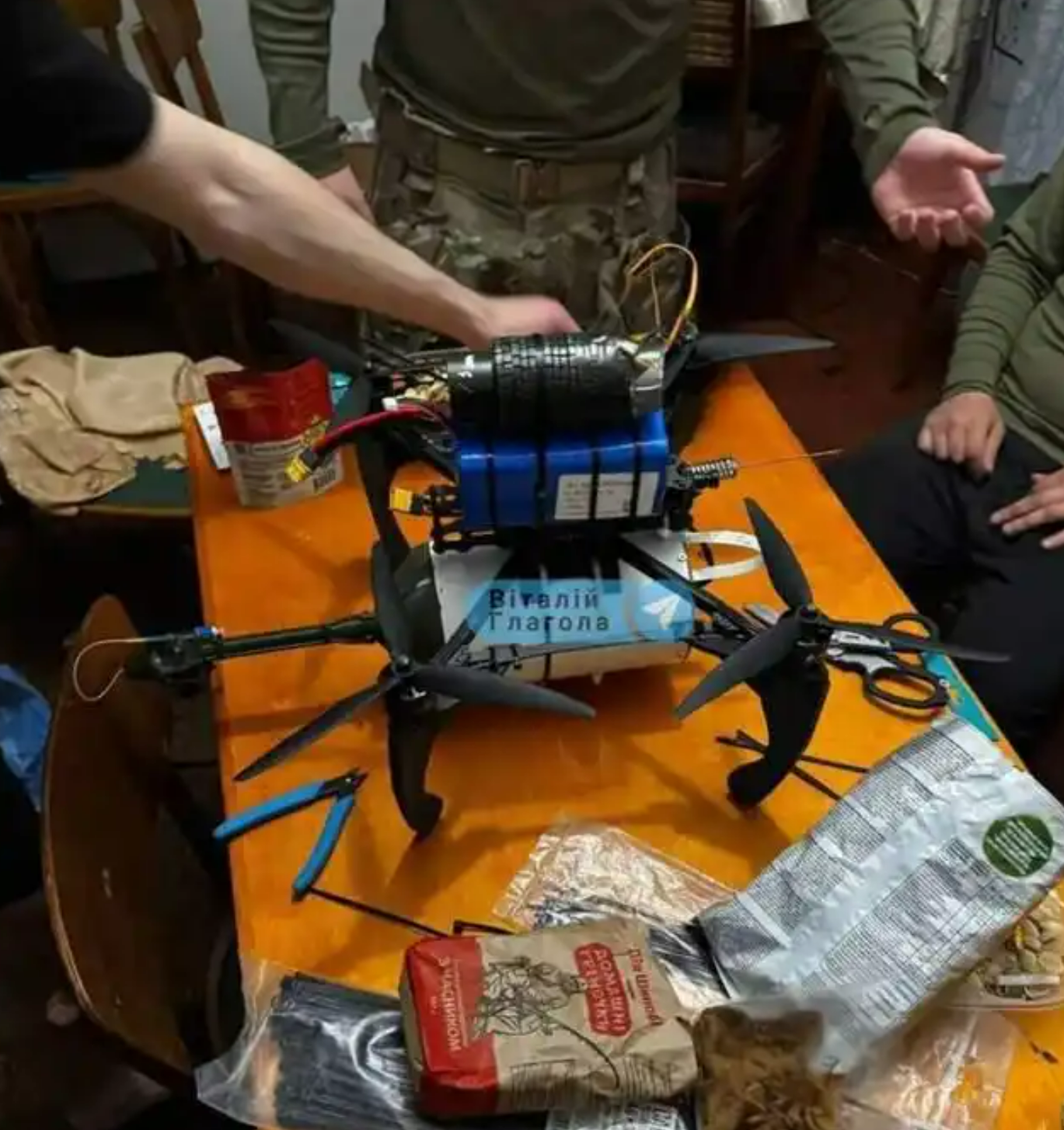
The FPV drone used by Ukraine in the "Spider Web" operation is a small drone
Traditional FPV unmanned aerial vehicles rely entirely on real-time control by operators, which is capable of countering fixed targets. However, when facing the increasingly intensified electronic interference environment of the Russian military, the mission failure rate caused by signal interruption remains high. The AI autonomous attack system that the Ukrainian military began testing in early 2024 fundamentally changed this situation. The working principle of the system can be divided into three stages. In the target recognition stage, the AI vision system carried by the drone is based on deep learning algorithms and can automatically recognize 64 types of military targets (including tanks, armored vehicles, artillery, aircraft, etc.), even if the targets are disguised or partially obscured, they can be reliably recognized. The algorithm will give a "confidence score" to the recognition results, and only targets with high confidence will be locked in. In the autonomous decision-making stage, once the target is locked, the AI system will automatically select the best attack path based on the target type, motion state, and surrounding environment. For static targets such as airplanes and buildings, the system will choose the most vulnerable attack angle, for example, in this attack mission, FPV specifically targets the wing fuel tank and engine parts for attack. In the terminal guidance stage, which is the final stage of the attack (usually the last 1-2 kilometers), even if external control signals are disrupted or interrupted, the AI system can take over the drone to complete the final attack. This' launch and forget 'capability greatly enhances combat effectiveness in strong electronic warfare environments. For example, the Ukrainian Saker Scout system is a typical representative of this AI autonomous attack technology. The system consists of reusable reconnaissance drones and suicide attack drones. The reconnaissance drones are responsible for large-scale search and target recognition, and then transmit target coordinates and features to the attack drones. In the "Spider Web" operation, similar systems were used to identify and lock strategic bombers parked by the Russian military. Previously, media reports stated that Ukrainian military intelligence had scanned Russian bombers and trained artificial intelligence to recognize them and execute automatic dive algorithms. Although Russian bombers attempted to "confuse the public" by disguising themselves with tires on their wings and drawing planes on the ground, they were still accurately identified by drones. Based on the target's defense status and surrounding environment, they autonomously planned their attack path, greatly improving the success rate of the attack.
The Russian military disguised itself by placing tires on the wings of aircraft
The Russian military disguised themselves by painting fake planes on the tarmac
The control distance of traditional FPV drones usually does not exceed 10 kilometers, which is limited by the linear propagation characteristics of conventional radio signals and the influence of Earth curvature. In the "Spider Web" operation, Ukrainian FPV drones need to penetrate hundreds or even thousands of kilometers deep into Russian territory to carry out strikes, which clearly exceeds the limits of conventional control technology. Especially this attack involved five bases (one of which was hit by a car explosion midway) spanning over 4000 kilometers, highly dispersed, and launched almost simultaneously. We are curious about how ordinary FPV drones are achieved, and according to Zelensky, the front finger of the Ukrainian military in this operation was set near a branch of the Russian Federal Security Service, which is very far away from the various bases attacked. How was command and coordination carried out? It is obvious that they may have used portable Starlink or StarShield systems, and NATO and the United States provided timely and accurate intelligence, although Zelensky claimed not to have informed the United States, the reason for this is not stated here. The second generation StarLink Gen2 system played a key role in this operation, with smaller terminal size, higher transmission rate, lower latency, and stronger anti-interference ability compared to the first generation. It was the core support for the command and control of this raid operation and played a crucial role.
The StarLink system has become the "nerve center" of Ukraine's distributed strike system and played a key role in this operation
Ukraine has innovatively integrated the Starlink satellite communication system into the FPV drone control link, leveraging the technological advantages of NATO and the United States. It has adopted a "tactical strategic dual link" layered connection architecture and constructed a distributed strike system against Russia, successfully breaking through the limitation of long-range combat. Simply put, the front-line control station is connected to the FPV through radio or fiber optic, and the "pilot" (unmanned aerial vehicle controller) uses AI to monitor and control the FPV unmanned aerial vehicle in a "one person, multiple machines" manner. It is likely to adopt a combat mode mainly based on autonomous attacks, with manual intervention when necessary. The forward control station is directly connected to the Ukrainian military's command points in Russia and the local command center through a star chain, achieving strategic command coordination and information exchange.
Adopting a "tactical strategic dual chain" layered connection architecture to build a distributed strike system
First, let's talk about the tactical level - drones and forward control stations. Frequency hopping radio (2.4GHz/5.8GHz, switching frequencies 200 times per second) or fiber optic guidance (such as the Raptor Leiboff drone, 0.5mm fiber optic, up to 10km) is used in communication connections to achieve low latency (≤ 50ms) and anti-interference (immune to electromagnetic interference from the Russian military's "Krasuha-4") close range control. The advantage of FPV drones is that they do not require the integration of star chain terminals, and the payload is prioritized for explosives (1.5-2kg), reducing costs (single aircraft ≤ $2000), and achieving covert penetration through fiber optics/frequency hopping.
So why not integrate Starlink directly into FPV drones? The main reason is that the Star Shield second-generation micro user terminal currently carried by drones is relatively large, about the size of a shoebox, with an antenna diameter of 20cm and a weight of ≤ 1.5kg, which is too large and heavy for the FPV that attacked Russia this time. In addition, the cost is very expensive. However, this module can be integrated into larger drones to serve as an aerial communication and control node, replacing FPV front-line control stations and achieving direct control of FPVs from thousands of miles away. However, based on the images and videos circulating this time, such large drones have not appeared.
The size of the second-generation Star Shield micro user terminal is relatively large
A medium to large quadcopter drone equipped with Starlink user terminals did not appear in this operation
Let's talk about the strategic level - forward control stations and rear command centers. In terms of communication integration, the cutting-edge control station (vehicle mounted/portable terminal) is equipped with SpaceX's "StarShield" ground terminal (dynamic communication, weight ≤ 5kg, power consumption ≤ 20W), which is connected to the Starlink low orbit satellite network through the Ka/Ku frequency band (delay ≤ 30ms, bandwidth ≥ 100Mbps). Mainly serving as a "tactical strategic transit station", the control station encrypts and uploads the FPV images and location data of the unmanned aerial vehicles to the command point and rear (such as the Ukrainian "Delta" situational awareness system), while receiving global commands (such as synchronized attack time and target priority from multiple bases), and then sends them to the unmanned aerial vehicles through the tactical link of the front-line control station to achieve cross regional task coordination, such as synchronously launching surprise attacks on the four major bases in Russia, achieving the strategic effect of surprise attack.
At this point, we can clearly see the command and control architecture of Ukraine in this operation. Zelensky at the strategic level and Maliuk, the director of the security bureau, commanded the submarine Russian command points and FPV forward control stations in various attack directions through the Starlink system. The forward control station "pilots" directly controlled the FPV drones through tactical level radio or fiber optics and achieved information exchange with superiors through the strategic level Starlink system. It can be inferred that in the "Spider Web" operation, the Ukrainian military's operational mode is likely to be in the covert infiltration stage, secretly transporting FPV drones to a location close to the target in Russia by disguising civilian vehicles, and the drones maintaining radio silence during transportation. In the remote activation phase, after reaching the designated location, instructions are issued to the front-line control station through the Starlink network to remotely activate the drone. During the attack phase, the "Flying Hand" monitors the drone to carry out the attack. Once it approaches the target area, the AI system fully takes over and completes the final attack, and provides real-time evaluation of the attack effect to assess the combat effectiveness. During the reconstruction and evacuation phase, receive instructions through the Starlink system, eliminate evidence according to the predetermined plan and route, and evacuate in an orderly manner.
This combination of "Starlink+AI" technology has created unprecedented combat capabilities, allowing commanders to command frontline "pilots" to control drone swarms from thousands of miles away through satellite links, while AI systems ensure that missions can still be completed even when communication is unstable or disrupted. As Ukrainian Minister of Digital Transformation Fyodorov said, "We are witnessing a military revolution brought about by communication technology, where geographic distance no longer provides security
Conclusion - Why is Russian defense virtually non-existent?
The performance of the Russian air defense system in this attack has raised widespread doubts. As one of the countries with the most dense air defense networks in the world, Russia should deploy multi-layered defense systems at strategic air bases, including long-range warning radars, medium range air defense missiles, and close in weapon systems. However, Ukraine's FPV drone fleet successfully broke through all these defenses, causing a strategic level strike effect. This' defense failure 'is not accidental, but the result of the combined effect of FPV drone technology and structural weaknesses in the Russian military's defense system.
FPV drones pose a "triple challenge" to traditional air defense systems, collectively referred to as the "low slow small" problem. The first challenge is' low altitude breakthrough '. FPV drones typically fly at altitudes between 50-200 meters and are located in areas with severe ground clutter interference, making it difficult for radar to effectively detect them. The second one is slow flight. The speed is usually between 30-80km/h, and the Doppler effect is not significant, making it easy for radar filtering algorithms to filter out clutter. The third is small RCS (radar cross section). FPV drones are small in size and heavily use composite materials, with a radar reflection area of only 0.01-0.1 square meters, comparable to large birds, and can be considered stealth targets. The active main air defense systems of the Russian military, such as C-400 and "Armor-S1", were designed to target traditional air threats such as fighter jets and cruise missiles, and their detection and interception efficiency for "low, slow, and small" targets is already limited. More importantly, using millions of dollars worth of anti-aircraft missiles to intercept drones that cost only a few hundred dollars is completely unsustainable economically.
In addition, this incident also exposed a series of loopholes in Russia itself. One is the failure of border monitoring. The Ukrainian military was able to infiltrate hundreds of drones into Russian territory by disguising civilian vehicles, indicating significant loopholes in Russian border security and monitoring. Secondly, the defense of the base is lax. The strategic air force base has not deployed sufficient anti drone weapons (it is sincerely recommended that Da'e purchase Dongda's "Silent Hunter", which is large in quantity, well managed, and cost-effective), nor has it taken sufficient protective measures for parked aircraft (such as reinforcing bunkers or camouflage nets). Air defense can only rely on ordinary rifles. The guards were careless. There is a thought-provoking detail. Before the attack began, an unidentified truck stayed near a Russian military base for a full three hours, but did not attract enough attention from Russian personnel. As a result, when the drone flew out of the truck, the Russian side was caught off guard. Thirdly, there were errors in intelligence work. The Ukrainian military has a precise grasp of the deployment, defense, and daily patrol patterns of the Russian air force base, especially during the 18 month long operation planning and implementation. The Russian military has no control over this, which is really surprising.
-
-
Product center
-
About Us
-
Contact us
Tel : +852-444-35055
Email:sales@walksnailir.com
Address : Hongkong branch: LAT115, HO KING, COMM CENTRE, 2-16 FA YUEN STREET, MONG KOK , HONG KONG. Hongkong warehouse: No.17, LEGEND TOWER, NO.7 SHING YIP STREET, KWUN TONG, KOWLOON, HONG KONG. China branch: A2, Yun industrial park, Ganli Road No.7, Jihua community, Longgang district, Shenzhen city, Guangdong province, China. Thailand branch: 65 Soi Ratchadaphisek 18, Huai Khwang Subdistrict, Huai Khwang District, Bangkok 10310,Thailand. Office in Dubai: 11, Azizi Freesia, Al Furjan, Dubai, UAE puneet@walksnailir.com Tel: +971 56 990 3914

Copyright © 2024 All reserved WALKSNAIL IR TECH